
Smart SSD Servers
Smart SSD Servers for Faster Performance
Smart SSD Servers of Network Egypt use solid-state drive technology to deliver significantly faster read and write speeds than traditional hard drives, meaning quicker website load times, faster database queries, and a smoother experience for your visitors.
Built on smart server technology, this solution suits businesses that want the performance benefits of SSD storage combined with the reliability and support Network Egypt is known for
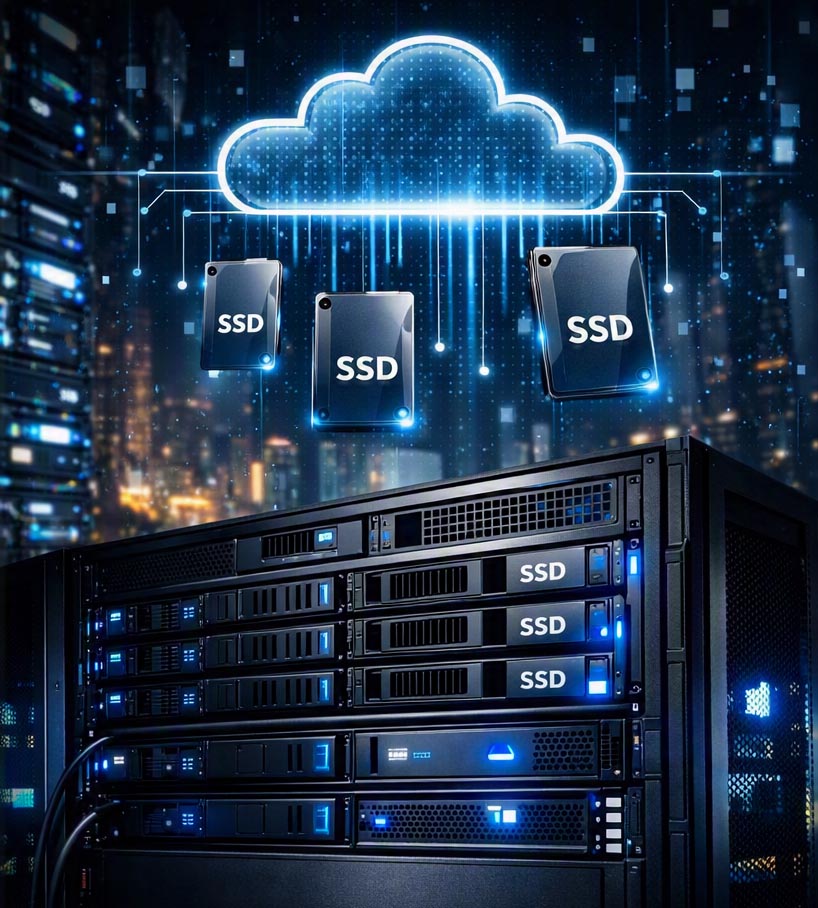
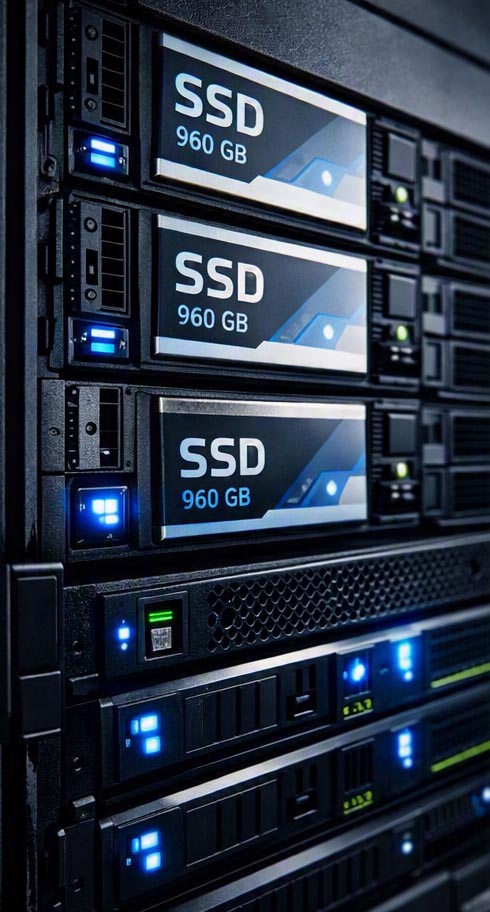
Built for Speed and Stability
Beyond faster page loads, SSD storage reduces the risk of mechanical failure compared to traditional spinning drives, which adds an extra layer of reliability for websites and applications that depend on consistent uptime.
Key Features
- Solid-state drive (SSD) storage
- Faster read/write speeds than HDD
- Improved database query performance
- Lower risk of mechanical failure
- Smart server monitoring technology
- Backed by Network Egypt’s support team
Servers powered by artificial intelligence
With the new artificial intelligence system, smart servers will serve your electronic business using many advanced smart systems that serve all types of services and electronic transactions via the Internet, for example (your portal on the Internet / e-mail for all employees / databases … etc.)

FAQ
SSD storage typically delivers significantly faster read and write speeds than traditional hard drives, which translates into quicker page loads and faster database performance.
Yes, the faster storage speeds make Smart SSD servers a good fit for websites and applications that need to handle traffic spikes without slowing down. Because data is read and written far faster than on traditional hard drives, pages load quickly and databases respond without lag even when visitor numbers jump unexpectedly — during a sale, a viral campaign, or a seasonal rush. This makes Smart SSD servers a practical choice for online stores, high-traffic blogs, and applications with unpredictable demand, where a slow response during peak moments can mean lost customers rather than just a minor inconvenience.